
What can you do when you are tired but sleep won't Come?
Feeling tired all the time even after sleep may be linked with poor sleep quality, stress, lifestyle habits, or underlying health issues. Improving sleep routines, stress management, and overall wellness habits may support better energy and recovery over time.
By Dr. Christine Sauer | Physician • Educator - Last Updated: June 2026
We all do something "unhealthy" now and then.
We eat too much, drink too much, work too much or don’t get enough sleep.
Eventually, our bad lifestyle choices and the sleep deprivation will come and bite us in the butt, and we start to feel tired and fatigued.
But: what happens when lifestyle choices aren’t the problem and sleep won't come or doesn't help with our Fatigue?
How to Resolve Fatigue - Give Sleep a Chance
Giving your body and brain time to get enough sleep often works to combat fatigue.
It helps to to go to bed at the same time every night.
Set up a routine that is the same before you go to bed – switch off all electronic devices in the home, dim the lights and do something calming that doesn’t require much brain power for one or two hours before bed.
Watching TV or screen work contributes to blue light that hinders your natural fatigue to develop. If you have to work on a screen, you can try blue light blockers that help a little.
This will help you to fall asleep faster and to have a better night’s sleep.
The next step is to wake up - or get up - at the same time each morning, no matter how late you went to bed.
The body thrives on routine – the more set your sleep routines are, the easier it will be to maintain them.
Here's a quick video on the 3 tips to sleep better:
10 Sleep Tips That May Help Reduce Fatigue
Here are the 10 tips. You can download the list at the bottom of the post...
- Routine: Go to bed at a time that allows you 7-8 hours of sleep before you need to get up in the morning. Keep the same wake-up time every day – even on weekends – to allow the body to develop a routine.
- No electronics: Set a time one or (better) two hours before your bed time to turn off all electronics (computer, cell phone, even TV if you can). Read a book, listen to relaxing music, talk to your significant other or a friend instead.
- No alcohol: Do not drink alcohol to try to help with sleep. You may fall asleep faster, but your sleep quality will be disrupted. Use a supplement instead if needed (e.g. Melatonin, Valerian root, L-Theanine, Magnesium-glycinate…)
- To-do list. Write down the things you didn’t get done, things to-do, deadlines, and floating thoughts on a sheet of paper so you can stop any racing thoughts that keep you awake at night. Review the list in the morning and cross out any items that you find are not necessary to reach your personal and professional goals.
- Darkness: Sleep in a dark room. Any light (even street lights shining in) will disrupt your sleep
- Cool: Sleep in a cool bedroom. 65-68F (16-18C) are optimal. Use bedding that doesn’t make you sweat in bed (e.g. down, silk)
- Mattress: Change your mattress every 10 years. An old mattress can cause you to wake up in pain during the night or in the morning. Get a mattress that supports your body but doesn’t feel too hard.
- Shower Tip: If you shower in the morning, finish with cold water. That helps reset your adrenal hormones and makes you feel awake and energetic. (If you shower at night or have a bath, finish warm)
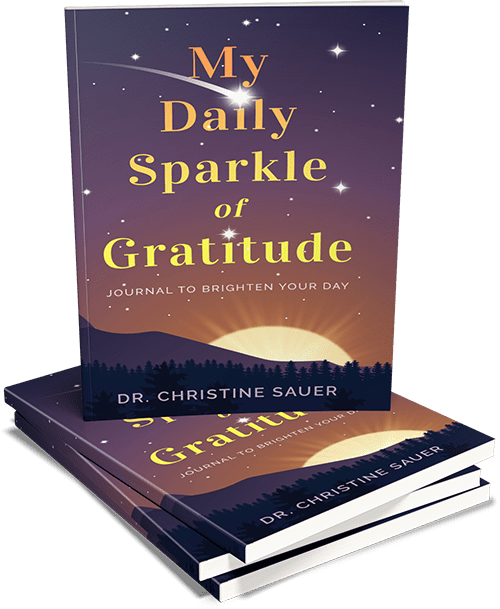
- Journal: Count your blessings. Take some time each night to reflect on the good things in your life. Keep a journal with a list of what went well and things you are thankful for each day.
- Relaxing Herbs: Diffuse relaxing essential oils or put a drop of your favorite oil on your pillow or pyjama (e.g. lavender, chamomile) and/or drink an herbal tea (e.g. chamomile, valerian, hops)
What If Sleep doesn't help?
What happens when you fall asleep easily at night, or can get up without the alarm but still feel fatigued?
What happens if sleep doesn't help, if extra sleep is not making much difference to your overall energy levels?
If more sleep is not working, you should consider seeing your individual healthcare provider.
Ongoing fatigue may not seem like a big deal, we all feel tired once in a while, but it could signal that something is wrong.
If you are fatigued all the time, you need to find out why.

Click to play
It could be something else
Have you noticed some other changes in your body?
Things that are slightly out of the ordinary, but not so much so that it caused you alarm.
That’s the tricky part. Diseases, especially those that affect the immune system, can be really sneaky.
They are hard to diagnose, and the symptoms are often attributed to a different cause.
The key to diagnosing an autoimmune disease is in recognizing clusters of symptoms and bringing these to your doctor’s attention. Here are some reasons why you could be tired.
Frequently Asked Questions About Fatigue
Why am I tired all the time even after sleeping?
There are many possible reasons for ongoing fatigue, including poor sleep quality, stress, burnout, nutrient deficiencies, lack of physical activity, or underlying health conditions. Sleeping longer does not always improve energy if the root cause is not addressed.
Can stress cause fatigue?
Yes. Chronic stress may affect sleep quality, hormone balance, mental focus, and energy levels. Many people experiencing ongoing stress also report exhaustion, brain fog, or difficulty recovering even after rest.
What is the difference between tiredness and fatigue?
Tiredness is usually temporary and improves with rest or sleep. Fatigue tends to be more persistent and may interfere with concentration, motivation, mood, and daily functioning.
When should I be concerned about fatigue?
You should consider speaking with a healthcare professional if fatigue lasts for several weeks, becomes severe, interferes with daily life, or occurs alongside symptoms such as shortness of breath, dizziness, unexplained weight changes, pain, or depression.
Can poor sleep habits cause fatigue?
Yes. Irregular sleep schedules, excessive screen time before bed, alcohol use, caffeine late in the day, and inconsistent bedtime routines may all reduce sleep quality and contribute to daytime fatigue.
Can anxiety or depression make you feel exhausted?
Yes. Anxiety and depression are commonly associated with fatigue, low motivation, poor sleep, and difficulty concentrating. Mental health and physical energy are closely connected.
Are there natural ways to support energy levels?
Healthy sleep routines, regular movement, balanced nutrition, hydration, stress management, sunlight exposure, and limiting alcohol may help support energy and overall wellness. Some people also explore supplements with guidance from a qualified professional.
What if sleep does not help my fatigue?
If rest and sleep do not improve your energy levels, it may be important to look deeper into possible contributing factors such as stress, nutrition, medical conditions, medications, or sleep disorders.
Start With Gratitude...
"A Keen Appreciation for yourself and the world around us and a deep feeling of gratitude are some of the most important attitudes and skills every woman and man interested in personal growth needs to develop and grow, and a science-backed key to true and lasting joy and happiness."
Just enter your contact information below and it is on the way to your inbox!
Get pertinent information about mental and brain health, events, and our weekly newsletter by email.
We respect your privacy. We won’t spam you. You can unsubscribe anytime.
What is Gratitude?
Gratitude can turn any negative into a positive...
Benefits of Gratitude
Lessens stress, depression and anxiety, has many health benefits
How to Practice Gratitude
The longer you do it, the more your thoughts will shift...
Daily Quotes and Questions
Prompts for you to journal and space to develop your thoughts...
Last Updated on June 21, 2026 by Dr. Christine Sauer