
Depression Is Not One Thing: Understanding the Brain, Body, and Root Causes
Why Depression May Involve Stress, Gut Health, Inflammation, Sleep, and Nervous System Health
This article is for people struggling with depression symptoms who want to better understand the possible brain, body, stress, and lifestyle factors that may be contributing to how they feel.
By Dr. Christine Sauer, MD, ND — physician & educator | Educational content only
Depression is complex and may involve much more than brain chemistry alone. Chronic stress, inflammation, sleep disruption, gut health, hormones, trauma, lifestyle habits, and nervous system overload may all influence mood and emotional wellbeing.
In This Article, we’ll explore:
- Why depression may involve much more than brain chemistry alone
- How chronic stress and nervous system overload can affect mood and emotional wellbeing
- The connection between gut health, inflammation, and mental health
- How sleep, hormones, trauma, and lifestyle factors may contribute to depression symptoms
- The possible role of nutrient deficiencies and brain health
- Why some people do not improve with a “one-size-fits-all” approach
- What current research and evidence suggest about the brain-body connection
- Questions you may want to discuss with a licensed healthcare professional
- Supportive lifestyle approaches that may help support overall mental and physical wellbeing
This article is educational and reflective in nature and does not provide medical advice, diagnosis, or treatment. Every person is different. This article is educational in nature and is intended to encourage informed conversations and a broader understanding of possible contributing factors related to mental health.
What Is Depression?
Many people searching for the possible root causes of depression are surprised to learn that brain health, sleep, stress, inflammation, gut health, hormones, trauma, and lifestyle factors may all play interconnected roles.
And depression is a complex mental health condition that may affect mood, motivation, energy, sleep, concentration, and overall quality of life.
If you are currently struggling, please know you are not alone, and support is available.
If you’ve ever found yourself wondering...
“Why do I feel depressed?”
“What could be causing depression?”
“Why isn’t treatment working?”
“Could there be other causes
...you are definitely not alone.
Depression can feel deeply personal, confusing, exhausting, and isolating.
For some of us it shows up as sadness.
For others, it feels like emotional numbness, chronic fatigue, irritability, brain fog, loss of motivation, or simply feeling disconnected from life.
For others, it can feel like all of them or it can show in physical illness or many other ways.
One of the biggest misconceptions about depression is the idea that it is just one disorder with one single cause.In reality, depression is often the result of multiple overlapping contributors involving the brain, body, nervous system, gut, remnants of past traumatic experiences, lifestyle, nutrition, environment, relationships, stress levels, genetic predispositions, biochemistry, toxins, upbringing and education, social context, medications and overall health, to just name a few...
I listed most of them in my post where I explain my brain health framework: The 5 Dimensions of Brain Health and Mental Health.
As someone who has worked in conventional and integrative medicine for decades, I believe we need a broader and more compassionate conversation about depression and brain health.
While brain chemistry matters, the old “chemical imbalance only” explanation is often too simplistic to fully explain what many people experience.
- Depression is not weakness.
- It is not laziness.
- And it is rarely “all in your head.”
Many people struggling with depression symptoms may also be dealing with chronic stress, nervous system overload, inflammation, poor sleep, nutrient deficiencies, hormonal shifts, medication side effects, unresolved trauma, social isolation, or gut health and other chronic health challenges and many more.
Understanding the possible root causes of depression can help create a more complete picture — and sometimes open doors to new approaches and better support.
Please note: This article is educational only and not intended as medical advice, diagnosis, or treatment. If you are struggling with severe depression symptoms or thoughts of self-harm, seek immediate professional help.
In the video below, I break down several common possible root causes of depression — including chronic stress, inflammation, nervous system overload, sleep problems, hormones, and other hidden mind-spirit-brain-body contributors that may affect emotional health.
Watch: Dr. Christine Sauer explains why depression may involve the brain, gut, stress response, inflammation, sleep, and nervous system health.
What Depression Can Feel Like
Depression symptoms can vary quite a bit from person to person.
Some people feel overwhelming sadness. Others feel almost nothing at all.
For many, depression is not just emotional — it affects the entire body and nervous system.
Why Depression Symptoms Can Look Different From Person to Person
Emotional Symptoms
Common emotional experiences may include:
- Persistent sadness
- Emotional numbness
- Hopelessness
- Irritability
- Feeling disconnected
- Increased sensitivity
- Loss of pleasure or joy
Some people describe it as feeling “flat,” emotionally exhausted, or unable to access motivation anymore.
Cognitive Symptoms
Depression can also affect thinking and brain function:
- Brain fog
- Poor concentration
- Memory difficulties
- Negative thinking loops
- Mental rumination
- Indecisiveness
- Feeling mentally slowed down
This overlap between depression and brain health is important and often overlooked.
Physical Symptoms
Many people are surprised to learn how physical depression can feel.
Physical symptoms may include:
- Fatigue and depression
- Sleep disturbances (sleeping less and/or sleeping more)
- Appetite changes (eating less and/or eating more)
- Body aches
- Digestive symptoms (Stomach/Bowel/Gut health issues)
- Headaches
- Low energy
- Feeling "inflamed" (elevated inflammation markers have been found in many depressed individuals, but not all)
For some individuals, physical symptoms appear long before emotional symptoms become obvious.
Functional Symptoms
Depression can affect nearly every aspect of daily life:
- Difficulty working
- Social withdrawal
- Loss of motivation
- Difficulty maintaining routines
- Trouble caring for oneself
- Reduced productivity
- Relationship strain
This is one reason why depression symptoms and causes are often more complex than they first appear.
Why Depression Is More Than a Chemical Imbalance
One of the most important things to understand is this:
"Depression" is just a word, a description of a combination of symptoms that affect an individuals functioning in daily life for some time. It has been defined in the DSM with the main goals to allow easy categorizing, "labeling" of individuals to allow easier treatment and proper insurance and payment as well as statistical classification.
"Depression" is not a "thing" like a car, or even like a broken bone, that we can "fix" if we just do the "one" correct thing.
Although probably the intent was to help find treatment options that work for as many individuals as possible, that has not always happened in the real world.
The Origins of the “Chemical Imbalance” Theory
Why the Brain and Body Are Closely Connected
Why Root Causes May Differ Between People
Depression is not always the same condition in every person.
The causes of depression can differ dramatically depending on biology, life experiences, environment, stress exposure, physical health, and nervous system regulation.
- For one person, depression may follow trauma.
- For another, chronic inflammation.
- For someone else, burnout, grief, medication side effects, sleep deprivation, or hormonal changes.
- For the next person, it may be something else or a combination of these and/or other issues.
Biological Variability
Genetics and brain chemistry can influence how vulnerable someone may be to depression symptoms. In Havening Techniques, we call this the "Landscape" of vulnerability to trauma and the potential of post-traumatic stress that can shape the reactivity to stress and vulnerability to depression and anxiety disorders alike.
However, genes are rarely destiny.
Lifestyle, stress, relationships, sleep, inflammation, nutrition, and environment all interact with biology.
Nervous System Overload
Many people today live in a constant state of overstimulation and chronic stress.
The nervous system was never designed for endless notifications, constant uncertainty, poor sleep, emotional overload, and nonstop pressure.
Over time, chronic nervous system activation may contribute to emotional shutdown, exhaustion, anxiety, and depression.
Inflammation and Depression
Growing research suggests that inflammation and depression may sometimes be connected.
Inflammatory processes in the body may affect neurotransmitters, brain signaling, energy production, and stress responses.
This does not mean inflammation causes every case of depression — but it may be one contributor in some individuals.
Trauma and Chronic Emotional Stress
Trauma is not only about catastrophic events.
Long-term emotional stress, neglect, criticism, instability, perfectionism, or chronic emotional overwhelm can also affect the nervous system deeply.
Hormonal and Physical Contributors
Hormonal shifts, thyroid dysfunction, menopause, nutrient deficiencies, chronic illness, gut health issues, and medication side effects can all influence mood and energy levels.
This is why asking “What are the root causes of depression?” often requires looking at the whole person — not just symptoms alone.
Start With One Gentle Next Step

If your sparkle feels dim right now, you do not need to fix your whole life today.
You only need a next step.
My free guide, 7 Steps to Climb the Mountain of Life, helps you pause, reflect, and find a gentle next step when life feels steep, foggy, or overwhelming.
The Brain-Body Connection
How Stress Affects the Brain and Nervous System
The Role of Hormones, Sleep, and Inflammation
Why Mental and Physical Health Are Interconnected
How Chronic Stress and Cortisol Affect the Brain
Modern life places enormous pressure on the brain and nervous system.
The relationship between chronic stress and depression is powerful and increasingly recognized in brain health research.
Nervous System Overload and Burnout
The Stress Response and Emotional Exhaustion
Why Some People Feel “Stuck in Survival Mode”
Cortisol and Stress Hormones
When the body experiences stress, it releases cortisol and other stress hormones designed to help us survive short-term threats.
But chronic stress is different.
Long-term cortisol elevation may affect:
- Sleep quality
- Mood regulation
- Memory
- inflammation
- Energy production
- Appetite and Weight regulation
- Hormone regulation
- nervous system balance
- and much more...
Sleep Disruption
Poor sleep and depression often reinforce each other.
Sleep deprivation may worsen emotional regulation, increase inflammation, reduce resilience, and impair brain function.
Overwhelm and Burnout
Many people experiencing depression symptoms are actually chronically overwhelmed.
Burnout can involve:
- Emotional exhaustion
- Cynicism
- Reduced motivation
- Physical fatigue
- Brain fog
- Loss of meaning
Neuroplasticity and Emotional Shutdown
The brain is adaptable — a concept called neuroplasticity.
Chronic stress may negatively affect brain pathways related to motivation, reward, emotional regulation, and resilience.
Some people eventually reach a state of emotional shutdown where the nervous system essentially conserves energy and “pulls back.”
Some commonly overlooked hidden causes of depression may involve physical health issues. Find the most common ones below.
Genetic Disposition and Epigenetics
Certain genetic predispositions and traits, best known for mental health issues are probably the variations of the methylation genes (MTHFR), affect nutrient assimilation and metabolism and are associated with low mood and/or increased anxiety, but there are many other issues that need to be balanced.
Genetics Are Not Destiny
How Lifestyle and Environment Influence Gene Expression
Why Some People May Be More Vulnerable to Stress
Gut Health and the Gut-Brain Axis
What Is the Gut-Brain Axis?
Gut Microbiome, Neurotransmitters, and Mood
Digestive Symptoms, Inflammation, and Emotional Wellbeing
Inflammation and Mental Health
What Is Chronic Inflammation?
How Inflammation May Affect Mood and Brain Function
Stress, Gut Health, and Inflammatory Pathways
Hormonal Imbalances
Hormones strongly affect mood and brain function.
Potential contributors may include:
- Thyroid dysfunction
- Menopause
- Low testosterone
- Chronic cortisol dysregulation
Blood sugar instability
Hormones, Stress, and Emotional Health
Thyroid Health and Mood Symptoms
Perimenopause, Menopause, and Emotional Changes
Sleep and Nervous System Overload
These can include:
- Insomnia
- Sleep apnea
- Circadian rhythm disruption
- Poor sleep quality
Many people underestimate how profoundly sleep affects the nervous system and emotional resilience. On the other hand, sleep disruption and changes in sleep patterns can be one of the main symptoms of depression.
How Poor Sleep Affects Mood and Brain Function
Circadian Rhythm and Emotional Health
Sleep, Anxiety, and Emotional Regulation
Nutrient Deficiencies and Mood
Certain nutrient deficiencies have been associated with mood changes and low energy. Below I listed some of the common culprits, but there are many more...
Nutrients That Support Brain Function
Vitamin D, Magnesium, B Vitamins, and Omega-3s
Why Nutrition May Influence Mood and Energy
Vitamin B12
Low B12 levels may contribute to fatigue, brain fog, nerve symptoms, and low mood. It is even known to contribute to psychotic symptoms.
Iron
Iron deficiency can reduce oxygen delivery and energy production, potentially contributing to exhaustion and depressive symptoms.
Vitamin D
Low vitamin D levels are common, especially in northern climates with limited sunlight exposure. Vitamin D is not only part of all hormones, but also needed to build cell membranes in the body and brain. It plays a central role in metabolism, calcium metabolism and neurotransmitter synthesis.
Tip: Vitamin D3 from supplements should always be combined with Vitamin K2 to prevent tissue (and arterial) calcification.
Magnesium
Magnesium plays an important role in nervous system regulation, stress response, sleep, and muscle relaxation. Through soil depletion in modern agriculture, I often see people who are severely magnesium deficient.
Blood tests testing serum magnesium levels can be unreliable, because, like potassium, magnesium is found mostly in the cells (not just body and brain cells, but also red blood cells), and is tightly regulated in the serum to prevent serious complications for your physiology.
It is not uncommon to find low magnesium levels in tissues (like red blood cells or hair root cells) while serum magnesium levels are still within the range considered normal.
Magnesium supplementation is common, but it is important to know the chemical structure of the supplement.
For example, magnesium oxide is not much absorbed in the gut (and is commonly used as a laxative).
On the other end of the chemical spectrum, magnesium threonate shows the best absorption and blood-brain barrier penetration of the commonly available magnesium supplements for mental health, is least laxative and can have a positive effect in depressed individuals.
Essential Fatty Acids
If essential fatty acid intake or fatty acid metabolism is not optimal for the individual, this can lead to imbalances in hormone production, metabolism, and inflammatory processes. A classic case are the omega 3-6-9 fatty acids which can be out of balance in individuals suffering with depression.
Amino Acids
The role of amino acid imbalances and deficiencies is often not enough appreciated.
Amino acids are precursors of all proteins that are structural components of our brain cells and body cells as well as DNA, messenger RNA and many hormones and other neuro-transmitters and signaling molecules circulation in our brain and body.
Imbalances can occur not only through lack of a varied diet and lack of sufficient dietary intake of complete proteins, but also through failure to break down protein from the diet into the building blocks, the amino acids.
This can happen when you take certain medications that block or reduce stomach acid or suffer from certain genetic or digestive disorders that affect digestion, assimilation and metabolism.
The Nutrient Symphony
All nutrients should be seen in the context of what I call the "nutrient symphony", a harmonious concert of nutrients that together contribute to optimal health.
Inflammation, Allergies and Gut Health
The gut and brain are closely connected through the gut-brain axis.
Research continues to explore the connections between gut health, inflammation, neurotransmitter production, and mood regulation and our immune system regulation.
For example, there are studies that show clearly that certain bacteria and certain multi-strain probiotics can be as effective - or more - than pharmaceuticals.
I have done much work on the gut-brain axis, and often emphasize the deep connection between gut health, inflammation, food allergies, food sensitivities, food intolerances, brain health, and emotional wellbeing in my work, as microbiome and gut restoration is one of the foundations of lasting recovery from depression and anxiety.
These topics are still neglected parts of the whole-body depression recovery process.
Medication Side Effects
Some medications may contribute to depression symptoms and other brain health issues in certain individuals.
Potential examples may include:
- Certain hormonal medications (e.g. birth control pill, hormone blockers and others)
- Some sleep medications
- Steroids (Cortisone and its derivatives)
- Certain blood pressure medications (e.g. beta-blockers, and many others)
- Some neurological medications
- Some lipid lowering medications (e.g. some cholesterol blockers)
Important Safety Note: Never stop prescription medications without discussing it with a licensed healthcare professional.
Find deeper supplement and medication education on my supplements for mental health website here.
Emotional and Psychological Contributors
Depression is not only physical.
Emotional pain matters deeply.
Grief, Trauma, Loss, and Emotional Burden
Loss often changes people profoundly and can trigger the downward spiral into depression and anxiety.
This can include:
- Death of loved ones
- Divorce
- Career loss
- Identity changes
- Chronic illness
- Financial stress
- Loss of meaning
- Involuntary confinement (as can happen during isolation, pandemics, incarceration, and for victims of crime and prisoners of war)
Trauma can reshape the nervous system’s sense of safety. Traumatic experiences can affect brain structure and physiology and trigger changes in he mental and emotional "landscape" that can reduce mental resilience and create vulnerability that increases the likelihood for depression, anxiety, addiction and many other mental and physical disorders.
Trauma experienced in early periods of life (childhood trauma) can lead to decreased resilience and higher likelihood of mental health disorders in later life for some individuals.
It is interesting to note that a similar event (e.g. a natural disaster or car accident) that affects many people does not lead for everyone exposed to it to the same post-traumatic stress disorder.
Generally, the perceived permanent loss of the feeling of psychological safety that can be caused by a traumatic event can lead to PTSD (Post-Traumatic Stress Disorder).
There are certain psychosensory techniques like EMDR, Havening and Tapping that can help to overcome the after-effects of PTSD and contribute to restore the feeling of safety needed for optimal functioning in daily life.
Trauma may affect:
- Stress responses
- Emotional regulation
- Sleep
- Relationships
- Self-worth
Perfectionism, Shame, and Self-Criticism
Many high-achieving individuals silently struggle with:
- Harsh self-criticism
- Chronic pressure
- Fear of failure
- Emotional suppression
- Guilt
- Shame
These patterns can quietly fuel emotional exhaustion over time.
Chronic Anxiety and Emotional Exhaustion
Negative Thought Patterns
Patterns of thinking (often learned during childhood) that emphasize negative thoughts can contribute to low mood and anxiety.
When different people experience a similar event, it is their internal response (thought pattern) that determines the emotional experience, which in turn shapes their behavior. And the resulting behavior then leads to an outcome that often is not desired.
The Flow of Experience
Here is the general pattern:
Event ➡️Thought ➡️ Emotion ➡️ Action ➡️ Outcome
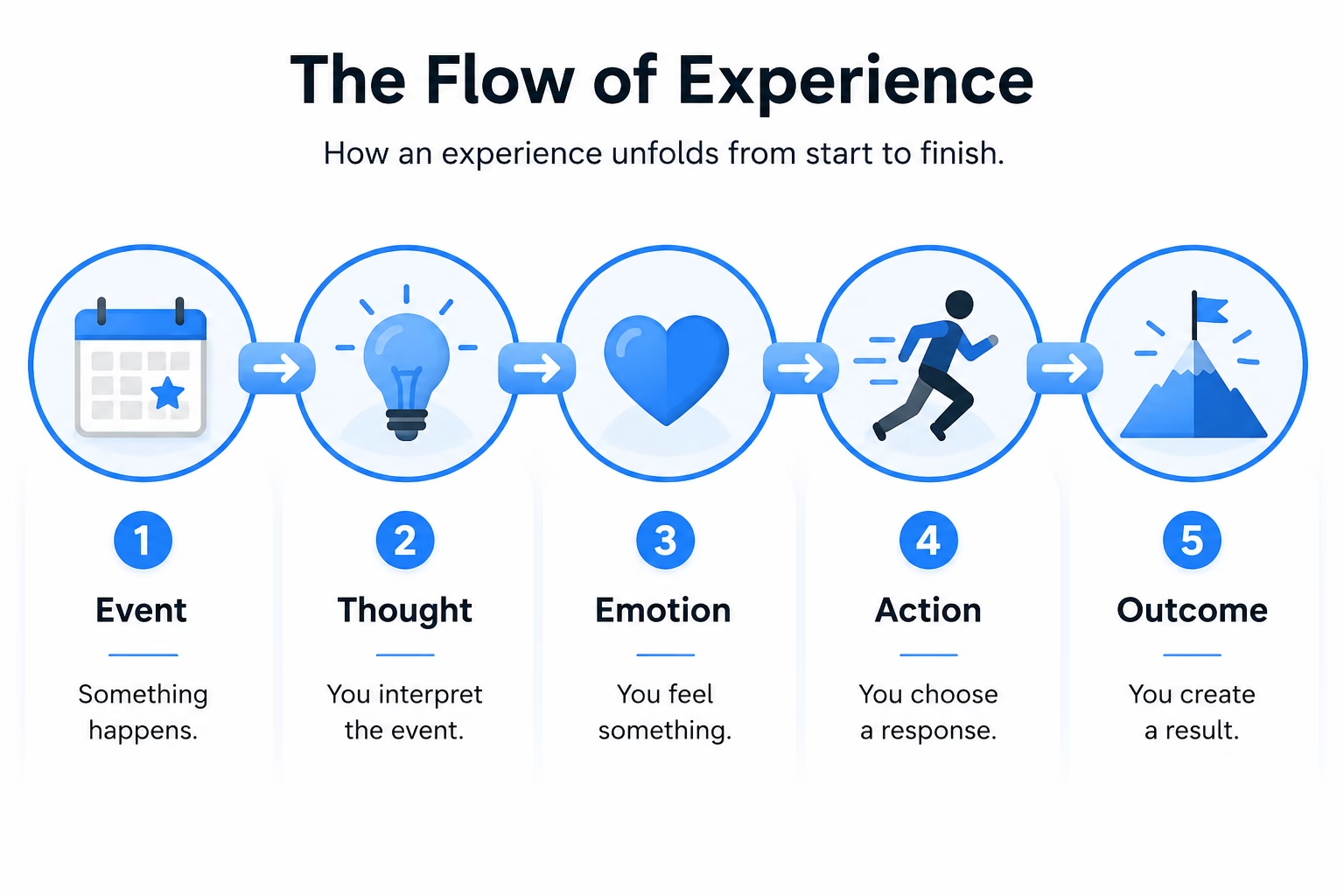
For example, a simple life event like getting a "F" in a math test can lead to the negative thought: "I failed the test, because I am no good at math. I never will get this right. I am such a failure!"
This internal thought, even if left unspoken or even unconscious, leads to an emotional response (e.g. sadness, shame etc).
As a consequence the individual may feel powerless to act to change their current situation and - in the example of the math test - may avoid even trying to study harder to improve their score because they perceive it as futile ("I am doomed to fail in math, it's in my genes").
This is an area where CBT (cognitive behavioral therapy) and its many variants like TEAM therapy shine.
CBT and its many adaptations in psychotherapy, if well-done by a trusted mental health professional, can have a major impact on behavior activation and depression recovery.
Social, Lifestyle and Environmental Contributors
Modern life itself may contribute to rising depression rates.
Isolation, Loneliness, and Relationships
Despite digital connection, many people feel profoundly alone.
Humans are wired for connection, and meaningful human connection is essential for emotional health.
Social isolation, loneliness, and emotional disconnection may contribute significantly to depression symptoms.
This can affect especially the older generation and contribute to depression, anxiety and even cognitive decline that we often see after retirement.
As with many things, this is not a one-way street.
Work Stress, Burnout, and Overload
Movement, Nature, and Lifestyle Habits
Movement affects:
- Brain chemistry
- Stress regulation
- inflammation
- sleep
- energy production
- metabolism
Even gentle movement may support nervous system balance.
Ultra-Processed Foods - Nutrient Depletion and Additives
Diet patterns can influence inflammation, gut health, energy levels, and mood regulation.
Ultra-processing means extreme food processing which goes beyond standard food processing like chopping, heating, salting, drying, freezing and cooking that has been done for thousands of years. Some methods of food processing and preservation (like cooking, chopping and lacto-fermentation) and can actually improve the absorption of certain nutrients and created additional benefits.
Some examples are Lycopene from tomatoes (better absorbed from cooked or canned tomatoes), chopped allium vegetables like garlic, leeks and onions (creates more beneficial sulphoraphanes) and vegetables from the brassica family (e.g. broccoli, cabbage), lacto-fermented vegetables like cabbage (creates probiotics - if consumed raw).
Ultra-processing of foods often leads to nutrient depletion and destructions of vitamins and changes in essential fatty acid composition, leading to subtle nutrient deficiencies and other changes that may not be picked up in commonly performed lab tests but still can contribute to depressive symptoms.
Ultra-processed fried foods and seed oils are known to contribute to nutrient deficiencies and inflammation, which are some of the root causes of depression mentioned in this article.
Environmental Toxins
For individuals with certain genetic and epi-genetic predispositions, some environmental toxins can disrupt important metabolic pathways in brain and body hat contribute to imbalances leading to depression, anxiety and other disruptions in brain health.
For example, pesticides and herbicides used in modern agriculture have been linked to many health conditions, as have indoor toxins like formaldehyde or mold toxins and heavy metals from drinking water. others are additives in fragrances, plastic softeners, food additives and many others.
Many of these toxins, although mostly generally safe on their own in small quantities for most individuals, have never been tested in combination or in the long-term and over generations. Some of them, like DDT, accumulate in fatty tissues (e.g. the brain) and may contribue to disease formation.
Many other environmental toxins have entered our air, soil, water and food chain, with largely unknown consequences over the long term and for the generations to come.
Natural and man-made environmental influences and toxins are an important, ongoing and intensely debated field of international study. At this point, the influence of these changes on brain health and mental health is still unclear.
Digital Overload and Overstimulation
Constant alerts, interruptions, social comparison, bad news cycles, and nonstop information overload can overwhelm the nervous system.
Digital platforms, cellphones, computers and TV are everywhere with interruptive advertising enticing users to scroll more, stay longer, consume more and buy more.
Unlimited, uncontrolled social media use has been associated with increased symptoms of depression and anxiety.
Digital overload can lead to chronic stress and overwhelm contributing to depression, especially in young people.
Parents should monitor and limit screen and social media use in children.
All of us adults should limit our own screen time, if at all possible, as digital overload can negatively influence mental health and contribute to depression, anxiety and social isolation.
Using alternatives like audiobooks can help.
Reading print books (in bright daylight) is often easier on the brain as reading on a screen.
Audiobooks (or listening to video content) also provide a helpful addition, especially for audio-visual learners.
Taking notes and journaling engages kinesthetic learners and, especially when handwritten, activates the important brain-hand connection.
Different senses activate different brain areas and, when combined, optimize coherence, learning and understanding.
Meaning, Purpose, and Spiritual Wellbeing
We all need a spiritual connection to live a good life. To be clear, I do not necessarily equate "religion" with spirituality.
When I use spiritual and spirituality, I mean the deep connection to something bigger than us, something that gives us a sense of direction, a meaning, a purpose, and a sense that there is an ultimate goal and responsibility for each of us and a set of rules - not given by man - that make sense to follow.
Existential Psychology, Logotherapy, Ethics, Morality, Religion and Philosophy are branches tapping into this very difficult and contentious realm of human experience that transcends what we can know with our regular senses, but that most people feel or sense just "IS".
Some call it "God", "the Universe", "Jahweh" "Allah" or another name for the unfathomable, the unknowable universal root energy that many of us feel and experience deeply and that science cannot explain.
One of Viktor E. Frankl's most famous quotes exemplified this:
“Those who have a 'why' to live, can bear with almost any 'how'.” - Viktor E. Frankl, Man's Search for Meaning
Viktor E. Frankl was a Jewish German Psychiatrist who was captured and tortured during the NAZI regime under Hitler in the 1930s. He lost everything but his bare life and survived several concentration camps and then went on to continue his work to serve humanity through his creation of "Logotherapy", a psychotherapy branch focused on finding meaning and making sense of ones suffering.
One of the most important tasks for many sufferers with depression is to discover their goal, their meaning of life and ultimately to achieve what I call to "Recover Your Sparkle".
We all need to learn to find joy in each moment and find a reasonable balance of happiness and hardship in our lives.
This is the work of being human, as I like to call it.
In times of hardship and even oppression, this is the most important thing to remember.
Meaning, Purpose, and Emotional Wellbeing
Many people struggling with depression also struggle with:
- Lack of purpose
- Chronic uncertainty
- Emotional disconnection
- Burnout
- Feeling trapped
Mental health is not only biochemical — it is also deeply human.
Disconnection, Uncertainty, and Inner Life
Hope, Connection, and Resilience
Why Depression Recovery Sometimes Stalls
One of the most frustrating experiences is when treatment-resistant depression leaves someone feeling hopeless.
If that is you, let me tell you as someone who was there:
"If you are in a dark place right now, don't give up. There is a light at the end of the tunnel for you, too."
And if you feel it may help, watch me tell my story of overcoming suicidal depression in my TEDx talk.
There are many possible reasons why depression treatment fails for some individuals.
One-Size-Fits-All Treatment
People are biologically and psychologically very different. We are individuals, each having an individual experience of life.
Yet, often, in conventional medicine, the only treatments considered are medication and maybe a referral to a short course of psychotherapy (which is not affordable for some).
Sometimes you get a quick recommendation to "eat healthy" and "exercise more" which can sound sarcastic when it is hard to even get out of bed in the morning...
Often, when you go to several providers, you get several "solutions"...
And if you try them, they may or may not work. often not at all, sometimes a little or a bit, sometimes it's just the right thing for you - exactly what you needed.
Luck? Destiny? Fate? Persistence? You be the judge...
When something that looks like ONE problem has a multitude of possible "solution", it is often a sign that there is NOT ONE solution.
It is a sign that we are faced with a complex problem that often requires a whole orchestra of solutions, strung together like a skilled orchestra of musicians. And you, together with a trusted healthcare provider or mental health coach, are the conductor.
In the end, what helps one person may not help another.
Going through depression, "the dark night of the soul", takes often several years, and it can take a lifetime, if the "right" suite of solutions and changes are not found or not implemented.
But please, never give up. There is no "right" or "wrong" here.
I know it is very hard to stay with it, to be patient. Get help if you feel you need it. Most do.
Consider it your life's work to "recover your sparkle", to reclaim your joy and happiness.
Multiple Factors May Be Involved
Another common reason why depression recovery can fail is that sometimes important contributors remain unaddressed:
- Sleep problems
- Nutrient deficiencies
- Hormonal imbalances
- chronic inflammation and its many potential causes
- medication interactions
- unresolved trauma
- nervous system overload
- persistent negative thinking patterns and rumination
- work and/or relationship issues
- lack of meaning and purpose
- loneliness and social isolation
- financial stressors
- Failure to "know thyself", to know who you are...
Nervous System Exhaustion
If the nervous system remains in survival mode, healing may feel difficult or is impossible.
Recovery often involves more than symptom suppression alone.
It means finding your "safe haven", a state of mind where you and your nervous system can feel safe again.
The "Fight or Flight" or "Alarm!" mode of our nervous system has its place for survival of acute stressful situations, but can become harmful in the long term.
Medical and Medication-Related Contributors
Medication Side Effects and Interactions
Medication-induced depression, interactions with other medications, with herbal medicines, with other natural supplements, even with certain foods or food additives - or medication side effects (most common: fatigue, dry mouth, stomach issues like constipation, urinary retention) may often complicate recovery.
Again, never stop medications abruptly without (and even with) medical supervision.
Talk with your licensed health care provider (physician, pharmacist) about medication interactions.
If you take psychiatric medications, never suddenly stop them after taking them for more than 4-6 weeks.
They can cause serious physical withdrawal symptoms that can feel like your depression returns. In addition, previously masked side effects like sleep disturbances and akathisia (restlessness), other movement disorders, stomach issues, allergies or skin breakouts can "suddenly" appear and complicate long-term withdrawal and recovery.
Medical Conditions That Can Affect Mood
Healing Often Requires Time and Personalization
Medical Conditions That Can Mimic or Contribute to Depression
Thyroid Health and Mood Symptoms
Chronic Illness, Pain, and Fatigue
Medication Side Effects and Interactions
Foundations That Support Brain and Emotional Health
There is no universal formula for depression recovery support.
However, certain foundational areas may support brain health and emotional resilience.
Sleep and Circadian Rhythm
Healthy sleep is foundational for brain repair, emotional regulation, and nervous system recovery.
Blood Sugar, Nutrition, and Gut Support
Nutrient-dense foods may support overall brain and body function. In my book "Eating for Vibrant Health and Explosive Energy" I detail which food groups I would recommend, avoid or just eat occasionally in moderation.
If you happen to be obese (I was), you often feel that other people think less of you because of you are weight. obesity in our society is often seen by uneducated (slim) people as signs of "laziness" or "lack of character". nothing could be further from the truth.
Obese people can still be malnourished an nutrient deficient, and often epi-genetics (genetic tendencies, activated by environmental influences) plays a major role, as can emotional eating (aka eating with the main purpose to soothe emotional pain.)
We know from research that sugary foods can stimulate the brain's reward/dopamine system similar to illegal drugs like heroin and cocaine.
Movement, Sunlight, and Nature
Nervous System Regulation and Emotional Support
Helpful practices may include:
- Havening Techniques
- Breathwork
- Meditation
- Psychotherapy (Talk Therapy, Counseling)
- Nature exposure, Grounding (walking barefoot outside on natural ground)
- Gentle movement
- Mindfulness
- Trauma-informed approaches
Social Connection and Meaningful Relationships
Working With Qualified Healthcare Professionals
Sleep, Nutrition, and Nervous System Regulation
Movement, Sunlight, and Social Connection
Healing often happens in connection with others.
Group therapy, or just joining a local club, senior activities, sports club, pursuing hobbies together or visiting or reconnecting with friends (and making new friends) and visiting with neighbors can help.
Movement, especially in a social group, may support mood, circulation, brain function, and stress reduction.
Finding Meaning and Purpose - "Recovering Your Sparkle"
A sense of meaning, contribution, and purpose may play an important role in emotional wellbeing.
Working With Qualified Healthcare Professionals
Professional support can be extremely valuable.
Medical Evaluation
A comprehensive evaluation may help identify possible physical contributors to depression symptoms.
Who This Article Is For — And Who It Is Not For
This article may be helpful for people who:
- Feel confused about depression symptoms
- Wonder if physical causes (or what else) may contribute
- Feel stuck despite treatment
- Want a broader brain-body perspective
- Are interested in nervous system and brain health
This article is not a replacement for professional medical or psychiatric care.
If you are experiencing severe depression symptoms, suicidal thoughts, inability to function, psychosis, or worsening symptoms, seek professional help immediately.
What the Research Suggests
When to Seek Professional Help
Please seek immediate professional support or call 9-1-1 or your local emergency number if you experience:
- Suicidal thoughts
- Self-harm thoughts
- Thoughts of harming others
- Severe hopelessness
- Inability to function
- Rapid worsening symptoms
- Extreme sleep disturbance
- Significant appetite changes
- Medication concerns
- Severe anxiety or panic
Generally, if depressive symptoms last longer than 2 weeks or if they impair your functioning so you can't do your usual work (whether outside the home or as a homemaker or a senior) reach out to seek professional help. Your family doctor is often a good first step.
Depression is common. You are not alone. And you do not need to struggle alone.
Questions to Ask Your Clinician
Frequently Asked Questions
What are the root causes of depression?
The root causes of depression may vary widely and can include chronic stress, trauma, inflammation, sleep problems, hormonal imbalances, nutrient deficiencies, medication side effects, social isolation, nervous system dysregulation, and genetic vulnerability.
Can medications cause depression?
Some medications may contribute to depression symptoms in certain individuals. This can include some hormonal medications, steroids, neurological medications, and others. Never stop medications without professional guidance.
Can inflammation cause depression?
Research suggests inflammation and depression may sometimes be connected through immune signaling, brain chemistry, and nervous system pathways. However, depression is complex and rarely caused by one factor alone.
Is depression physical or emotional?
Depression can involve both physical and emotional contributors. Many people experience fatigue, sleep problems, digestive symptoms, inflammation, and nervous system dysregulation alongside emotional symptoms.
Why doesn’t depression treatment work for everyone?
Treatment-resistant depression may occur because depression is highly individualized. Contributing factors like sleep problems, chronic stress, trauma, inflammation, medication interactions, hormones, or nutrient deficiencies may sometimes remain unaddressed.
Can gut health affect depression?
Emerging research suggests the gut-brain connection may influence mood, inflammation, stress responses, and neurotransmitter production in some individuals.
What role does chronic stress play in depression?
Chronic stress may affect cortisol levels, sleep, inflammation, nervous system regulation, and emotional resilience, all of which can influence depression symptoms.
Final Thoughts
If you take away one thing from this article, let it be this:
Depression is not one thing.
It is often a complex interaction between the brain, body, nervous system, life experiences, environment, stress load, physical health, and emotional wellbeing.
Understanding the possible root causes of depression does not mean blaming yourself.
It means becoming more curious, compassionate, and informed about what your body and mind may be trying to communicate.
Healing is rarely linear.
And support matters.
If you’d like to learn more about brain health, nervous system regulation, stress recovery, gut health, and evidence-informed wellness approaches, explore more educational resources at DocChristine.com.
Sources & Brand Alignment Notes
This article reflects my (Dr. Christine Sauer) educational, compassionate, brain-body approach emphasizing gut health, inflammation, nervous system balance, and integrative wellness perspectives.
Last Updated on September 7, 2026 by Dr. Christine Sauer