
Color and Mood: How an Orange VW Golf Reminded Me of a Happy Time
Can color affect mood and well-being? A bright orange VW Golf sparked memories of happier times and led me to explore what research says about color, emotion, and the small environmental cues that may lift our spirits.

I looked across a parking lot and thought it had become “color-blind.” Most of the cars seemed gray. Black, white, and silver filled in much of the rest.
Then I remembered the gorgeous orange VW Golf with a brown interior that my first husband drove when we met.
That car was one of the things that attracted me to him. I felt right at home in it—safe, warm, and joyful.
Red and orange have been my favorite colors since childhood. Remembering that car made me wonder about color and mood: why do certain colors feel so welcoming, and why do so many of our everyday surroundings now look so muted?
A recent article about bright colors and happiness prompted this reflection. My interest is in the connection between personal meaning, our surroundings, and mental well-being—and in what the evidence can actually tell us.
Why are so many cars gray now?
My parking lot impression fits a wider trend. An iSeeCars analysis of more than 22 million used vehicles sold between January 2025 and May 2026 compared colors across model years.
For the 2025 model year, white, black, gray, and silver together accounted for 80.4% of its sample, compared with 47.3% for 1996.
Gray alone rose from 3.6% to 22.9%.[1] These are findings from a U.S. market analysis, not a count of every car on Canadian roads.
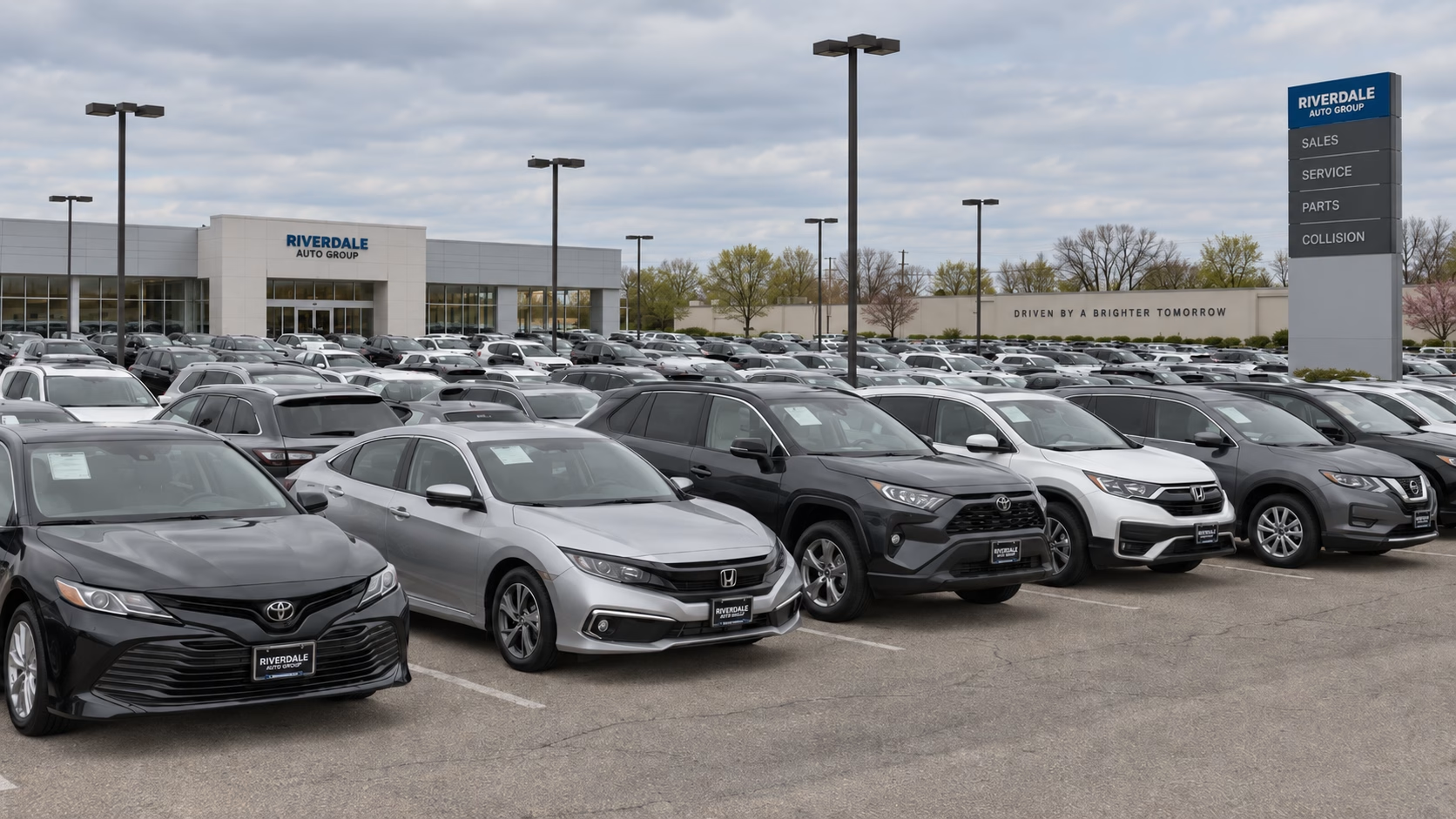
The latest BASF automotive color report adds nuance. Gray gained ground globally in 2025, but the share of colored paints also increased in the Americas, with growing interest in shades such as green and brown.[2] Neutral dominance and a modest return of color can happen at the same time.
The reports describe the pattern better than they explain every buyer’s decision.
My interpretation is that several influences may interact: personal taste, the colors manufacturers offer, dealership inventory, pricing, fashion, and expectations about resale.
Without evidence separating those factors, we should treat them as possible explanations rather than settled causes.
Is the shift toward neutral colors intentional?
Some decisions are intentional: someone chooses a paint palette, a showroom order, or a marketing image. A buyer also makes a choice within whatever options are available.
I sometimes thought whether tat may be purposeful? Yet there is no evidence of a coordinated plan to make people feel worse.
The reports cited here do not establish such a motive, or show that gray cars cause low mood.
Still, I think there is a useful question underneath the trend.
Are we choosing surroundings that suit us, or choosing what we have learned to consider acceptable?
For some people, a neutral palette is a real pleasure. For others, it leaves something missing.
What research says about color and mood
A study involving 4,598 people from 30 nations examined associations between 12 color terms and 20 emotion concepts. It found substantial similarities across countries, alongside differences related to language and geography.[3]
That supports a careful conclusion: color has emotional meaning, and some of that meaning is shared. It does not show that buying a particular color produces lasting happiness, treats a mental health condition, or improves memory.
A review of color psychology also highlights methodological challenges and the importance of context.[4]
Simple charts that label one color “calming” and another “energizing” can make the evidence sound more universal and certain than it is.
As a brain-health researcher, I would describe color as part of what we perceive and interpret in daily life.
The research cited here does not establish that a colorful room protects against cognitive decline.
Yet, we can appreciate a pleasant response without claiming a neurological benefit.
Why the orange Golf felt like home to me
I cannot tell you how much of my warm feeling came from the orange exterior, the brown interior, the person beside me, or that time in my life. I remember them together.
That is why my story is more useful as an invitation than a prescription.
Your equivalent might be a blue kitchen, a green garden, a red coat, or the quiet gray of a favorite room.
It may be a color you associate with someone you love.
The question is not which color an expert says you should enjoy. It is what you notice in your own experience.
A small color experiment for everyday well-being
If you are curious, try a small, reversible change. Think of a color or object linked to a pleasant memory.
Use something you already own, or look for it in the world around you.
Place a favorite mug where you will see it, open a colorful notebook, or bring a meaningful photograph into view. Then notice your response over a few days.
Does it feel pleasant? Distracting? Too intense? Does it make no difference?
Adjust according to what you discover. A small accent may be enough. If a quieter space feels better, honor that.
In a shared home or workplace, ask what others find comfortable too.
This is an experiment in personal preference, not a treatment plan.
You do not need to buy anything, redecorate, or judge yourself if your mood stays the same.
Recover Your Sparkle in the surroundings you already have
When life feels heavy, it can be hard to remember what we enjoy.
Noticing a favorite color offers one manageable place to begin.
It asks little of us, and it leaves room for an honest response.
For me, that orange Golf is a reminder that an ordinary setting can become part of a cherished memory.
I would like to make room for more of those moments, even when I cannot change the bigger circumstances of my life.
If this reflection resonates, explore the Recover Your Sparkle resources or read about the foundations of brain health.
A personally enjoyable environment can sit alongside the larger supports that deserve our attention.
Here are a few questions as a starting point of a personal reflection.
- Do you think the shift toward gray and neutral colors is intentional?
- Do you like what has happened?
- What color makes you feel at home?
Frequently asked questions about color and mood
Can colors affect how we feel?
People associate colors with emotions, but an association does not guarantee a mood change. Context, culture, and personal experience matter. Notice your response rather than assuming a color will have a specific effect.
What is the best color for mental well-being?
There is no established best color for everyone. Start with what feels pleasant or comfortable to you, whether that is vivid orange, soft blue, or a neutral shade.
Do bright colors improve brain health?
The evidence discussed here does not establish that bright colors improve cognition or prevent neurological disease. Enjoying color and claiming a measurable brain-health benefit are different propositions.
Does a gray environment cause depression?
The sources discussed here do not demonstrate that gray surroundings cause depression. A favorite object may bring pleasure, but it should not be presented as a treatment for depression.
References
[1] iSeeCars — The Most Popular Car Colors in America. Analysis of used-car sales and model-year color distributions.
[2] BASF — Color Report 2025. Published January 15, 2026.
[3] Jonauskaite et al. — Universal Patterns in Color-Emotion Associations Are Further Shaped by Linguistic and Geographic Proximity. Psychological Science, 2020.
[4] Elliot — Color and psychological functioning: a review of theoretical and empirical work. Frontiers in Psychology, 2015.
Reflection prompted by A Splash of Color Might Be the Easiest Way to Boost Happiness, published October 3, 2026. The interpretation here is my own; that article is inspiration rather than primary evidence for the health claims.