
7 Self-Care Tips for Mental Health to Help You Recover From Depression Naturally
Depression can make even the smallest daily tasks feel exhausting.
Some days, simply getting out of bed, taking a shower, answering a message, or preparing a healthy meal can feel overwhelming.
If you’ve ever felt exhausted by simply trying to get through the day, please know that you are not weak, lazy, or broken.
As someone who has worked in healthcare and mental health for more than 40 years — and who has personally experienced severe physical and mental health challenges myself — I deeply understand how real and painful depression can be.
Depression is not laziness. It is not weakness. And it is not something you can simply “snap out of.”
At the same time, there are gentle, practical, evidence-informed self-care strategies that may help support your recovery journey alongside professional care.
Healing rarely happens overnight. In my experience, recovery often comes from consistently taking small steps forward — even on the difficult days.
In this article, I’ll share 7 self-care tips for depression that may help support your mental, emotional, and physical wellbeing naturally.
TL;DR: Self-Care Tips for Depression
If you’re struggling with depression, small daily habits may help support your recovery alongside professional care. Helpful self-care strategies include reducing stress, improving sleep, eating nourishing foods, challenging negative thoughts, building a support system, tracking hormonal patterns, and reconnecting with enjoyable activities. Recovery takes time, consistency, and self-compassion — not perfection.
In this video, Dr. Christine Sauer shares gentle, evidence-informed self-care strategies that may help support depression recovery and emotional wellbeing naturally.
Quick Reminder
You do not need to implement everything perfectly at once. Even one small supportive habit practiced consistently can make a meaningful difference over time.
Self-care for depression includes supportive lifestyle habits such as stress reduction, healthy sleep, balanced nutrition, emotional support, movement, and mindfulness practices that may help improve emotional wellbeing alongside professional mental health care.
About Dr. Christine Sauer
Dr. Christine Sauer is a German-trained physician and naturopathic doctor with more than 40 years of experience in brain health, mental health, integrative medicine, and lifestyle-based wellness education.
1. Learn to Reduce Stress and Calm Your Nervous System
Self-care for depression includes supportive lifestyle habits such as stress reduction, healthy sleep, balanced nutrition, emotional support, mindfulness, and regular routines that may help improve overall mental wellbeing alongside professional care.
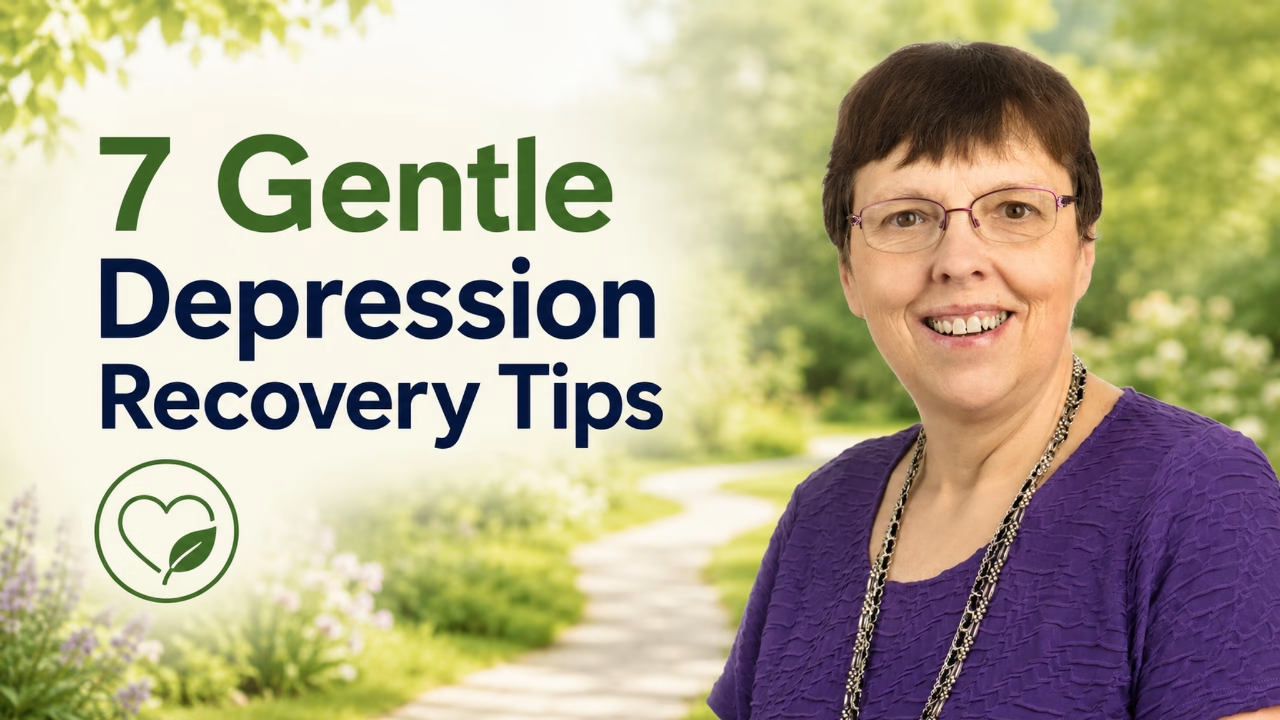
Stress and depression are deeply connected.
When we are under chronic stress, the body produces higher levels of stress hormones such as cortisol.
While cortisol is essential for survival, prolonged elevations negatively affects sleep, mood, energy, inflammation, digestion, and overall mental wellbeing.
Many people living with depression also feel constantly “on edge,” overwhelmed, emotionally exhausted, or mentally drained. Over time, this chronic stress load can make recovery even harder.
One of the most important forms of self-care is learning how to calm and regulate your nervous system.
This begins with awareness.
Start paying attention to:
- situations that trigger stress
- relationships that drain your energy
- negative thought patterns
- overcommitment and burnout
- poor sleep habits
- excessive social media or news consumption
You may not be able to eliminate every stressor in your life, but you can begin learning healthier ways to respond to them.
Some supportive stress-reduction practices include:
- deep breathing exercises
- walking in nature
- journaling
- prayer or meditation
- gentle yoga, TaiChi or stretching
- mindfulness practices
- spending time with supportive people
- reducing overstimulation
- setting healthier boundaries
Sometimes, however, stress becomes too overwhelming to manage alone.
There is absolutely no shame in reaching out for support from a qualified therapist, counselor, physician, or mental health coach.
In fact, one of the greatest acts of self-care is recognizing when you need help, because developing a self-care routine where stress reduction is addressed can help relieve symptoms of depression in patients.
Key Takeaway
Chronic stress can place significant strain on both the mind and body. Learning small, consistent ways to calm your nervous system may help support emotional resilience and overall mental wellbeing over time.
2. Nourish Your Brain and Body With Supportive Foods
What you eat can directly influence how you feel.
Research increasingly shows that nutrition plays an important role in mental health, brain health, inflammation, energy production, and even neurotransmitter function. The gut and brain are closely connected through what is often called the gut-brain axis.
While food alone is not a “cure” for depression, nourishing your body well may help support better mood stability, energy, and overall wellbeing.
Unfortunately, many people turn to “comfort foods” during times of emotional distress.
While understandable, highly processed foods rich in sugar, trans fats, and refined carbohydrates may worsen inflammation and energy crashes over time.
Instead of focusing on perfection or restrictive dieting, aim for gradual improvement.
Some supportive nutrition strategies may include:
- eating more vegetables and fruits
- consuming adequate protein
- staying hydrated
- reducing ultra-processed foods
- eating healthy fats such as omega-3-rich foods
- supporting gut health with fiber-rich foods
- limiting excessive alcohol and sugar intake
Remember: healthy eating is not about punishment.
It is about giving your body and brain the nutrients they need to function optimally.
And please don’t underestimate the importance of small wins. If all you can manage today is eating one nourishing meal instead of none, that still matters.
Progress matters more than perfection.
What you eat can directly affect your mood. In fact, studies have shown that improving diet and nutrition can help improve the quality of life of patients with mental health conditions such as depression.
Key Takeaway
Nutrition is not about perfection. Small improvements in the foods you eat may help support brain health, energy, mood stability, inflammation, and overall emotional wellbeing.
3. Challenge Negative Thoughts With Compassion
Depression often changes the way we think.
It can create harsh inner criticism, hopelessness, shame, fear, and distorted beliefs about ourselves and our future.
You may notice thoughts like:
- “I’m a failure.”
- “Nothing will ever change.”
- “I’m a burden.”
- “Nobody understands me.”
- “I’ll never feel better.”
When these thoughts repeat constantly, they begin to feel true — even when they are not.
One of the most helpful approaches for many people is learning to question and reframe these negative thought patterns.
Cognitive Behavioral Therapy (CBT), for example, helps people identify distorted thinking patterns and replace them with more balanced, realistic perspectives.
This does not mean pretending everything is positive or ignoring real struggles.
It means learning to respond to yourself with greater honesty, balance, and self-compassion.
A few gentle questions you can ask yourself when negative thoughts appear:
- Is this thought 100% true?
- What evidence supports or challenges it?
- Would I speak this way to someone I love?
- Is there another possible perspective?
- Am I catastrophizing or assuming the worst?
Over time, becoming aware of your thought patterns can help reduce the emotional grip they have on you.
Key Takeaway
Depression often changes the way we think about ourselves. Learning to notice and gently question negative thought patterns may help support emotional healing and self-compassion.
4. Prioritize Sleep and Create Better Sleep Habits
Sleep and mental health are intimately connected.
In fact, many individuals living with depression also struggle with insomnia, poor sleep quality, disrupted sleep cycles, or excessive fatigue.
Unfortunately, poor sleep can worsen mood, anxiety, concentration, energy, and emotional resilience — creating a frustrating cycle.
Creating healthier sleep habits may help support recovery.
Some supportive sleep strategies include:
Create a Calming Sleep Environment
- Keep your bedroom cool, dark, and quiet
- Use blackout curtains if outside light disturbs sleep
- Reduce clutter and overstimulation
- Consider white noise if needed
Reduce Evening Stimulation
- Avoid excessive screen time before bed
- Reduce exposure to stressful content or news
- Limit caffeine later in the day
- Avoid heavy meals right before bedtime
Build a Consistent Routine
- Go to bed at similar times each night
- Wake up consistently when possible
- Develop calming bedtime rituals
- Use your bed primarily for sleep and intimacy
Sleep improvement often takes time. Be patient with yourself.
And if sleep problems become severe or persistent, discussing them with a healthcare professional may be very helpful.
Key Takeaway
Sleep and mental health are deeply connected. Improving sleep habits may help support mood, emotional regulation, stress resilience, and overall wellbeing.
5. Track Hormonal and Emotional Patterns (Especially for Women)
Hormonal changes can significantly influence mood and emotional wellbeing.
Some women experience more severe mood symptoms before their menstrual cycle, during perimenopause, postpartum, or menopause.
One example is Premenstrual Dysphoric Disorder (PMDD), a condition involving more intense emotional and physical symptoms than typical PMS.
Symptoms may include:
- severe mood swings
- anxiety
- irritability
- sadness
- fatigue
- overwhelm
- sleep disturbances
Tracking your cycle and emotional symptoms can help you recognize patterns and prepare supportive self-care strategies during more vulnerable times.
Helpful practices may include:
- prioritizing rest
- reducing unnecessary stress
- eating nourishing foods
- increasing emotional support
- scheduling lighter workloads when possible
- practicing self-compassion
Hormonal mental health symptoms are real and deserve compassionate support.
Key Takeaway
Hormonal changes can significantly influence mood and emotional wellbeing. Recognizing emotional and physical patterns may help you respond to yourself with greater awareness and compassion.
6. Build a Strong Support System
Depression often causes people to withdraw and isolate themselves.
Unfortunately, isolation can deepen feelings of hopelessness and loneliness.
Human beings are not meant to carry emotional pain entirely alone.
One of the most important forms of self-care is building supportive, safe connections.
This may include:
- trusted friends
- family members
- therapists or counselors
- support groups
- faith communities
- coaches or mentors
- online support communities
- wellness practitioners
Not everyone in your life will fully understand what you’re experiencing — and that’s okay.
Focus on finding people who are compassionate, respectful, supportive, and emotionally safe.
And if opening up feels difficult, start small.
Sometimes simply texting someone, sitting with another person, or attending a support group can be an important first step.
Healing often happens in connection.
Key Takeaway
Healing is often harder in isolation. Supportive relationships and meaningful human connection can play an important role in emotional wellbeing and recovery.
7. Develop Meaningful Hobbies and Healthy Activities
Depression can make life feel heavy, dull, and emotionally flat.
Activities you once enjoyed may no longer feel interesting or motivating.
Still, gently reconnecting with meaningful activities can help support emotional healing over time.
Hobbies and enjoyable activities can:
- provide structure
- reduce rumination
- improve mood
- create positive experiences
- support social connection
- encourage movement and creativity
You do not need to force yourself into overwhelming commitments.
Start small.
You might try:
- gardening
- walking outdoors
- painting or drawing
- photography
- music
- cooking
- yoga
- journaling
- reading
- volunteering
- crafting
- dancing
- gentle exercise
Sometimes motivation comes after action — not before it.
Even small moments of joy and curiosity matter.
Key Takeaway
Enjoyable activities, creativity, movement, and meaningful hobbies may help bring moments of connection, purpose, and emotional relief during difficult seasons.
What the Research Says About Self-Care and Depression
Research increasingly shows that depression is influenced by many interconnected factors, including stress, sleep, inflammation, nutrition, physical activity, social connection, and overall lifestyle habits. While self-care is not a replacement for professional mental health treatment, evidence suggests that supportive daily habits may play an important role in emotional wellbeing and recovery.
Sleep and Mental Health Are Closely Connected
Poor sleep and depression often influence each other in a cycle. Sleep disturbances are extremely common in individuals experiencing depression, and inadequate sleep may worsen mood, emotional regulation, stress resilience, concentration, and energy levels.
According to the National Institute of Mental Health (NIMH), sleep changes are one of the most common symptoms associated with depression.
Research published by Harvard Medical School also highlights the strong bidirectional relationship between sleep quality and mental health.
Nutrition and Gut Health May Influence Mood
Emerging research suggests that nutrition and gut health may influence brain function, inflammation, neurotransmitter activity, and emotional wellbeing through the gut-brain connection.
A growing body of evidence indicates that dietary patterns rich in whole foods, fiber, healthy fats, vegetables, and minimally processed foods may help support better mental health outcomes.
The American Psychological Association discusses how nutrition may affect mental health, while Harvard Health Publishing explores the emerging field of nutritional psychiatry.
Research into the gut microbiome also continues to expand, with studies examining how gut bacteria may influence stress response, mood, inflammation, and cognitive health.
Physical Activity May Support Emotional Wellbeing
Regular movement and physical activity have been associated with improvements in mood, stress regulation, sleep quality, and overall mental wellbeing.
Exercise does not need to be extreme to be beneficial. Even gentle activities such as walking, stretching, yoga, or spending time outdoors may provide supportive mental health benefits for some individuals.
The Centers for Disease Control and Prevention (CDC) notes that physical activity may help improve brain health, emotional wellbeing, and quality of life.
Cognitive Behavioral Therapy (CBT) Is Evidence-Based
One of the most well-studied therapeutic approaches for depression is Cognitive Behavioral Therapy (CBT). CBT helps individuals recognize and gradually change unhelpful thought patterns, emotional responses, and behaviors that may contribute to depression and anxiety.
According to the American Psychological Association, CBT is an evidence-based psychotherapy approach used for a variety of mental health conditions, including depression.
Social Connection Matters
Research consistently shows that loneliness and social isolation can negatively impact mental health and emotional wellbeing. Supportive relationships, community connection, and meaningful social interaction may help buffer stress and improve resilience during difficult times.
The U.S. Surgeon General’s Advisory on Loneliness and Isolation highlights the importance of human connection for both mental and physical health.
A Whole-Person Approach Often Works Best
In my experience, healing and recovery are rarely about one single “magic solution.” Mental health is deeply connected to physical health, sleep, nutrition, stress levels, relationships, purpose, movement, nervous system regulation, and emotional support.
That is why a whole-person approach — one that addresses both mind and body — is often the most sustainable path toward better wellbeing.
While more research is still evolving in many areas of integrative and lifestyle-based mental health support, the evidence increasingly supports the importance of healthy daily habits alongside appropriate professional care.
Who This Article Is For
This article may be helpful for adults experiencing low mood, stress, burnout, overwhelm, or mild-to-moderate depressive symptoms who are looking for supportive lifestyle strategies alongside professional care.
Who Should Seek Immediate Professional Help
This article is not a substitute for emergency mental health care. If you are experiencing suicidal thoughts, severe depression, self-harm urges, psychosis, or inability to function safely, seek immediate medical or mental health support.
Gentle Reminder
Reaching out for professional support is not a sign of weakness. Depression is a real mental health condition, and seeking help can be an important and courageous step toward healing.
Self-care strategies can be supportive, but depression is a serious mental health condition that sometimes requires professional care.
Please seek immediate professional support if you experience:
- thoughts of self-harm or suicide
- inability to function day-to-day
- severe hopelessness
- worsening depression symptoms
- substance abuse concerns
- panic attacks
- major changes in eating or sleeping
- feelings of being unsafe
You do not need to struggle alone.
Reaching out for help is a sign of strength, not failure.
In Summary
Recovering from depression often involves small daily steps rather than dramatic overnight changes. Supportive habits such as stress reduction, sleep, nourishing foods, movement, emotional connection, and self-compassion may help support healing alongside professional care.
Final Thoughts
Recovering from depression is rarely a straight line.
There may be good days and difficult days. Some days you may feel hopeful and motivated, while other days may feel incredibly heavy.
Please do not give up on yourself.
Healing often happens through consistent small steps, compassionate support, healthier routines, and learning to care for yourself in deeper ways.
In my experience, one of the most important things to remember is this:
You are not broken.
You are a human being going through a difficult season — and with the right support, healing and improvement are possible.
Be patient with yourself.
Take one step at a time.
And remember: if you are stuck in a dark place, there truly can be light at the end of the tunnel.
Frequently Asked Questions About Self-Care and Depression
Can self-care help with depression?
Self-care alone is not a replacement for professional treatment, but healthy daily habits may help support emotional wellbeing, stress management, sleep quality, and overall mental health alongside appropriate medical or psychological care.
What are the best self-care activities for depression?
Helpful self-care activities may include improving sleep habits, spending time outdoors, reducing stress, eating nourishing foods, journaling, practicing mindfulness, gentle exercise, and staying connected with supportive people.
Why is sleep important for depression recovery?
Sleep and mental health are closely connected. Poor sleep may worsen mood, emotional regulation, energy, concentration, and stress resilience. Improving sleep quality may help support overall mental wellbeing.
Can nutrition affect depression symptoms?
Research suggests that nutrition may influence inflammation, brain health, gut health, and neurotransmitter function. A balanced diet rich in whole foods, healthy fats, fiber, and protein may help support mental wellness.
What should I do if self-care is not helping my depression?
If symptoms persist, worsen, or interfere with daily functioning, it is important to seek support from a qualified healthcare professional or mental health provider. Depression is a serious condition and sometimes requires professional treatment and support.
How long does depression recovery take?
Recovery looks different for every person. Some people improve gradually over weeks or months, while others may need longer-term support. Healing is often non-linear and may involve lifestyle changes, therapy, social support, and medical care.
Can exercise help with depression?
Some research suggests that regular physical activity may help support mood, stress regulation, sleep quality, and overall mental health. Even gentle movement such as walking or stretching may be beneficial for some individuals.
When should someone seek emergency help for depression?
Seek immediate professional or emergency support if someone experiences suicidal thoughts, self-harm urges, psychosis, inability to function safely, or severe emotional distress.
Start Rebuilding Hope...
One Day at a Time
Healing rarely happens all at once.
In my experience, recovery often begins with small, consistent daily practices that help us reconnect with hope, gratitude, reflection, and self-compassion.
That’s why I created this free Gratitude Journal — to help you slow down, reflect, and begin noticing the small moments of progress and positivity that are still present, even during difficult times.
If you’d like support on your healing journey, you can download it below.
Just enter your contact information below to receive by email...
Get pertinent information about mental and brain health, events, and our weekly newsletter by email.
We respect your privacy. We won’t spam you. You can unsubscribe anytime.
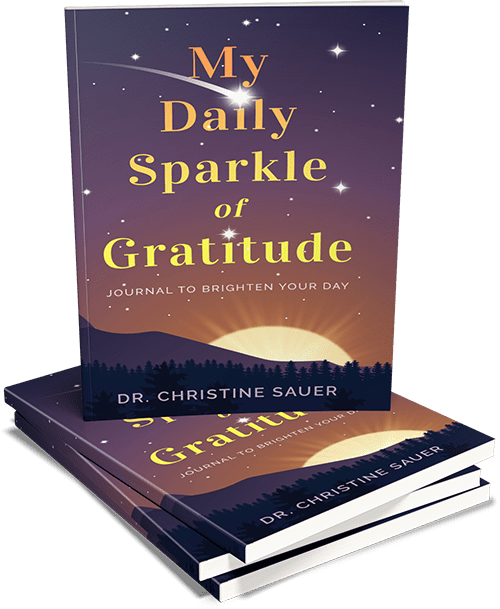
This journal is intended for educational and self-reflection purposes only and is not a substitute for professional mental health care.
What is Gratitude?
Gratitude can turn any negative into a positive...
Benefits of Gratitude
Lessens stress, depression and anxiety, has many health benefits
How to Practice Gratitude
The longer you do it, the more your thoughts will shift...
Daily Quotes and Questions
Prompts for you to journal and space to develop your thoughts...
Educational Disclaimer
This article is for educational purposes only and is not intended as medical advice, diagnosis, or treatment. If you are experiencing depression or mental health concerns, please consult a licensed healthcare professional or mental health provider. Do not stop medications or begin supplements without professional guidance.
Last Updated on May 12, 2026 by Dr. Christine Sauer