
Key Health Benefits of Coffee for Gut & Brain Health
Coffee may support focus, mood, metabolism, digestion, and long-term health for some people — but caffeine sensitivity, anxiety, reflux, and sleep all matter.
This article looks at the possible health benefits of coffee for gut health and brain health, while also helping you understand when coffee may not be the best fit for your body.
By Dr. Christine Sauer | Physician • Educator - Last Updated: June 2026
Coffee is one of the most widely consumed beverages in the world, and research suggests it may offer several health benefits when consumed in moderation.
Evidence links coffee intake to improved cognitive function, antioxidant protection, metabolic health, and a reduced risk of certain chronic diseases. Compounds such as caffeine and polyphenols may support brain health, mood, and physical performance.
However, coffee is not suitable for everyone, and excessive caffeine can contribute to anxiety, sleep disruption, and other side effects.
Understanding both the benefits and limitations helps people make informed, personalized choices about coffee consumption.
Coffee is one of the most widely consumed beverages in the world, and research suggests it may offer several health benefits when consumed in moderation.
Evidence links coffee intake to improved cognitive function, antioxidant protection, metabolic health, and a reduced risk of certain chronic diseases.

Compounds such as caffeine and polyphenols may support brain health, mood, and physical performance.
However, coffee is not suitable for everyone, and excessive caffeine can contribute to anxiety, sleep disruption, and other side effects.
Understanding both the benefits and limitations helps people make informed, personalized choices about coffee consumption.
Coffee is more than just a morning ritual; it has been celebrated for centuries for its invigorating effects and complex flavors.
And for as long as we can remember, we’ve been warned of all the drawbacks coffee can have on our lives; high blood pressure, insomnia, acidosis - just to name a few.
Then science and technology team up and we’ve recently been hearing more and more good news about our favorite caffeinated brew.
In summary, most experts agree that healthy adults can drink up to 5 cups of coffee per day, which comes to about 400 mg of caffeine, and overall, when we consider all the health benefits that coffee consumption has to offer, and when we compare them with the potential drawbacks, it’s best to drink coffee in moderation.
Studies are focusing all the health benefits coffee has, like boosting short-term memory, increasing concentration span, and even reducing inflammation.
So, exploring if coffee is good for you can lead to a deeper understanding of its many positive effects on our lives.
Among the various health benefits of coffee, its impact on brain health and mental clarity is especially noteworthy.
However, recent research has illuminated a broader range of health benefits of coffee associated with this beloved beverage, particularly for brain and gut health.
In this article, we dive deep into the profound ways coffee can enhance cognitive function, support gut health, reduce the risk of neurodegenerative diseases, uplift mood, foster social connections, and even provide essential nutrients.
Understanding the health benefits of coffee can enrich your appreciation of this popular drink, whether you’re a casual coffee drinker or a dedicated aficionado.
1. Coffee Can Support Brain Power, Focus & Boost Cognitive Function
Many people seek out the health benefits of coffee to enhance their productivity, memory and focus.
How Coffee May Enhance Focus and Concentration
Coffee is often touted for its ability to enhance focus and concentration, primarily due to its caffeine content.
Caffeine acts as a central nervous system stimulant, temporarily warding off drowsiness and increasing alertness.
As we consume coffee, caffeine blocks the inhibitory neurotransmitter adenosine, leading to a net increase in other neurotransmitters like dopamine and norepinephrine.
This biochemical reaction results in improved mood, reaction time, and overall cognitive performance.
The health benefits of coffee extend beyond mere stimulation; they also include cognitive enhancements.
Moreover, studies have shown that coffee drinkers tend to perform better on tasks that require attention and quick thinking.
Not only does coffee help individuals stay awake, but it also sharpens their ability to process information efficiently.
For health enthusiasts, this cognitive boost can be particularly beneficial during long workouts or intense study sessions, where mental clarity is paramount.
The Role of Caffeine in Memory Improvement
In addition to enhancing focus, caffeine has been linked to improved memory retention.
Research suggests that moderate coffee consumption can enhance long-term memory and may delay brain aging by facilitating better information recall.
Caffeine’s role in memory improvement may stem from its ability to increase the neurotransmitter levels associated with learning and memory, thereby solidifying newly acquired knowledge.
This makes coffee not just a pick-me-up, but also a potential ally in academic and professional settings.
Understanding the health benefits of coffee can change how one approaches their daily routine.
Furthermore, some studies indicate that caffeine may enhance the brain’s ability to form new connections, neuroplasticity, which is essential for learning and memory.
For health enthusiasts looking to optimize both mental and physical performance, incorporating coffee into their routines could be a smart strategy for achieving their goals.
Coffee’s Protective Effects Against Alzheimer’s and Parkinson’s
Through its social aspects, the health benefits of coffee extend beyond the individual to communities.
Numerous studies have suggested that coffee drinkers may have a reduced risk of developing neurodegenerative diseases, particularly Alzheimer’s disease and Parkinson’s disease.
The protective effects of coffee are often attributed to its rich content of antioxidants and anti-inflammatory compounds.
These bioactive substances can combat oxidative stress and neuroinflammation, a significant contributor to neuronal damage and degeneration as well as potentially to mental health disorders.
When considering the health benefits of coffee, one must also reflect on its historical significance in society.
In the context of Alzheimer’s, caffeine has been found to inhibit the accumulation of amyloid plaques, a hallmark of the disease.
Similarly, research surrounding Parkinson’s disease indicates that caffeine may enhance dopamine production, which is crucial since the disease is characterized by a decline in dopamine levels.
For health enthusiasts, the compelling evidence linking coffee consumption with a lower incidence of these debilitating diseases serves as an added incentive to enjoy their favorite brew.
Engaging in discussions about the health benefits of coffee can foster a sense of community and belonging.
2. Coffee Can Support Gut and Microbiome Health
Moreover, the health benefits of coffee have been recognized in numerous studies focusing on gut health.
People who appreciate the health benefits of coffee often enjoy experimenting with different brewing methods.
The Connection Between Coffee and Digestion
Coffee is known for its stimulating effects on the digestive system.
The beverage has been shown to increase the production of stomach acid, which can aid digestion.
Moreover, the caffeine in coffee promotes gastric motility, leading to more efficient digestion and potentially quicker relief from constipation.
For many, a cup of coffee can act as a natural laxative, making mornings a bit more manageable.
For many, the health benefits of coffee include not only a caffeine boost but also long-term health improvements.
Emphasizing the health benefits of coffee can enhance awareness of its protective effects against diseases.
In addition to stimulating digestion, coffee contains compounds that may support gut health.
These compounds, including chlorogenic acids and antioxidants, can promote a healthy gut microbiome by fostering the growth of beneficial bacteria.
A balanced gut microbiome is essential for overall health, contributing not only to digestion but also to immune function and mental well-being.
The antioxidants present in coffee contribute significantly to its health benefits of coffee, making it a rich source of nutrition.
Many people are unaware of the health benefits of coffee regarding its role in reducing inflammation.
How Coffee May Help Prevent Certain Gut Disorders
Research has suggested that regular coffee consumption may be associated with a lower risk of developing certain gut disorders, such as colorectal cancer and liver diseases.
The antioxidants present in coffee, particularly polyphenols, have anti-inflammatory properties that could protect against cellular damage in the gut.
These protective effects may reduce the risk of chronic diseases associated with gut health, making coffee a potentially beneficial beverage for those concerned about gastrointestinal health.
Additionally, some studies indicate that coffee may lower the risk of developing type 2 diabetes, a condition closely linked to gut health.
The relationship between coffee consumption and improved insulin sensitivity could further support the notion that coffee plays a role in maintaining a healthy gut environment.
Regularly considering the health benefits of coffee can lead to improved mood and mental state by regulating the gut-brain connection.
Incorporating the digestive health benefits of coffee into daily life can enhance both productivity and social interactions.
3. Coffee Provides Antioxidants and Plant Compounds
Understanding Antioxidants in Coffee
Coffee is one of the richest sources of antioxidants in the Western diet, surpassing even fruits and vegetables for many individuals.
The primary antioxidants in coffee include chlorogenic acids and melanoidins, which provide various health benefits, including anti-inflammatory and neuroprotective effects.
The high antioxidant capacity of coffee helps combat free radicals in the body, reducing oxidative stress and promoting cellular health.
Moreover, the presence of antioxidants in coffee may contribute to its overall health benefits, including heart health and longevity.
By enhancing the body’s ability to manage oxidative stress, coffee can play a vital role in maintaining neuroprotective mechanisms, ultimately contributing to brain health and cognitive longevity for its regular consumers.
Recognizing the health benefits of coffee is essential for promoting its role in a balanced diet.
Furthermore, the health benefits of coffee include the heart-healthy nutrients it provides.
4. Coffee May Support Mood, Motivation and Reduce Depression
Ultimately, coffee’s health benefits of coffee play a critical role in enhancing our daily lives.
The Science Behind Coffee and Happiness
In exploring the health benefits of coffee, we can appreciate its multifaceted contributions to our well-being and mood regulation.
One of the most immediate effects of coffee consumption is its ability to enhance mood.
Caffeine stimulates the release of neurotransmitters such as dopamine and serotonin, which are often referred to as ‘feel-good’ chemicals.
This surge in neurotransmitters can lead to increased feelings of happiness and reduced feelings of fatigue and lethargy.
Research has indicated that regular coffee drinkers have a lower risk of depression compared to non-drinkers.
Some studies suggest that drinking four or more cups of coffee daily may lower the risk of depression by up to 20%.
For health enthusiasts, incorporating coffee into their daily routine not only serves as an energy booster but also as a potential mood enhancer, making it a double win.
How Coffee Can Be Part of Your Mental Health Strategy
Given its mood-enhancing properties, coffee can be an integral part of a mental health strategy.
However, it is important to consume it in moderation, as excessive caffeine intake can lead to anxiety and jitteriness.
For those looking to manage stress and enhance their overall mental well-being, enjoying coffee mindfully can create a positive ritual that promotes relaxation and social connectivity.
In addition, coffee culture often involves social interactions—whether it’s grabbing a cup with friends or meeting colleagues for a quick coffee break.
These social aspects can also contribute to improved mental health through the support systems they foster, making coffee a catalyst for both individual and communal well-being.
5. Drinking Coffee Can Promote Social Interaction and Connection
Ultimately, the health benefits of coffee remind us of the connection between lifestyle choices and mental health. Human connections are a vital component of mental health and overall well-being and has been linked to improved health outcomes.
Thus, understanding the health benefits of coffee can greatly enhance our quality of life.
The Role of Coffee in Social Settings
Coffee has historically served as a social lubricant, bringing people together in cafes, homes, and workplaces.
The simple act of sharing a coffee can create a sense of community and foster relationships and mental well-being.
Whether it’s a formal meeting or a casual catch-up, coffee serves as a central element in many social interactions, making it a powerful tool for connection.
Moreover, coffee shops have become thriving hubs for socialization, collaboration, and creativity, which could help the problem of loneliness, especially in older adults and seniors.
They offer a conducive environment for discussing ideas, networking, and engaging in cultural exchanges and social interactions.
For health enthusiasts, these social aspects of coffee consumption can lead to improved well-being, as human connection is a vital component of mental health.
Coffee as a Catalyst for Conversations
In addition to facilitating relationships, coffee can also serve as a great conversation starter.
The richness of coffee culture, with its various brewing methods, flavors, and origins, provides endless topics for discussion.
From exploring local roasters to discussing brewing techniques, coffee enthusiasts can engage in meaningful conversations that enrich their lives.
In a world where digital communication often takes precedence, the act of sharing a cup of coffee can lead to deeper, more authentic connections.
By prioritizing face-to-face interactions over virtual ones, coffee can contribute to improved mental health and a stronger sense of belonging in one’s community.
6. Coffee May Support Metabolic Health and Provide Essential Nutrients
Vitamins and Minerals Found in Coffee
Many people may not realize that coffee is a source of several essential micronutrients.
A typical cup of coffee contains small amounts of vitamins B2 (riboflavin), B3 (niacin), and B5 (pantothenic acid), as well as minerals like magnesium and potassium.
These nutrients play crucial roles in the body, supporting energy metabolism, digestive health, and cardiovascular function.
Additionally, the antioxidants in coffee and its multiple polyphenols contribute to its nutritional profile, enhancing overall health.
While it shouldn’t be considered a primary source of nutrition, coffee can complement a well-balanced diet and offer additional health benefits beyond just caffeine stimulation.
7. Coffee May Support Long-Term Health Patterns
For health enthusiasts seeking to maximize their nutrient intake, coffee can be an enjoyable addition to a balanced diet.
How Coffee Contributes to Your Daily Nutritional Intake
When consumed mindfully and in moderation, coffee can enhance both cognitive and physical performance while providing essential nutrients.
Additionally, pairing coffee with nutrient-rich foods, such as snacks that include healthy fats or protein, can create a more balanced intake that supports overall health and wellness.
In conclusion, coffee is much more than just a beverage.
Its numerous health benefits, ranging from cognitive enhancements to gut support and social connections, make it a valuable part of a healthy lifestyle.
As we continue to explore the intricacies of coffee and its role in our health, it becomes evident that this cherished drink can play a significant role in enhancing our daily lives.
While coffee alone cannot meet nutritional needs, it can meaningfully contribute to a nutrient-dense, brain-supportive lifestyle when consumed mindfully.
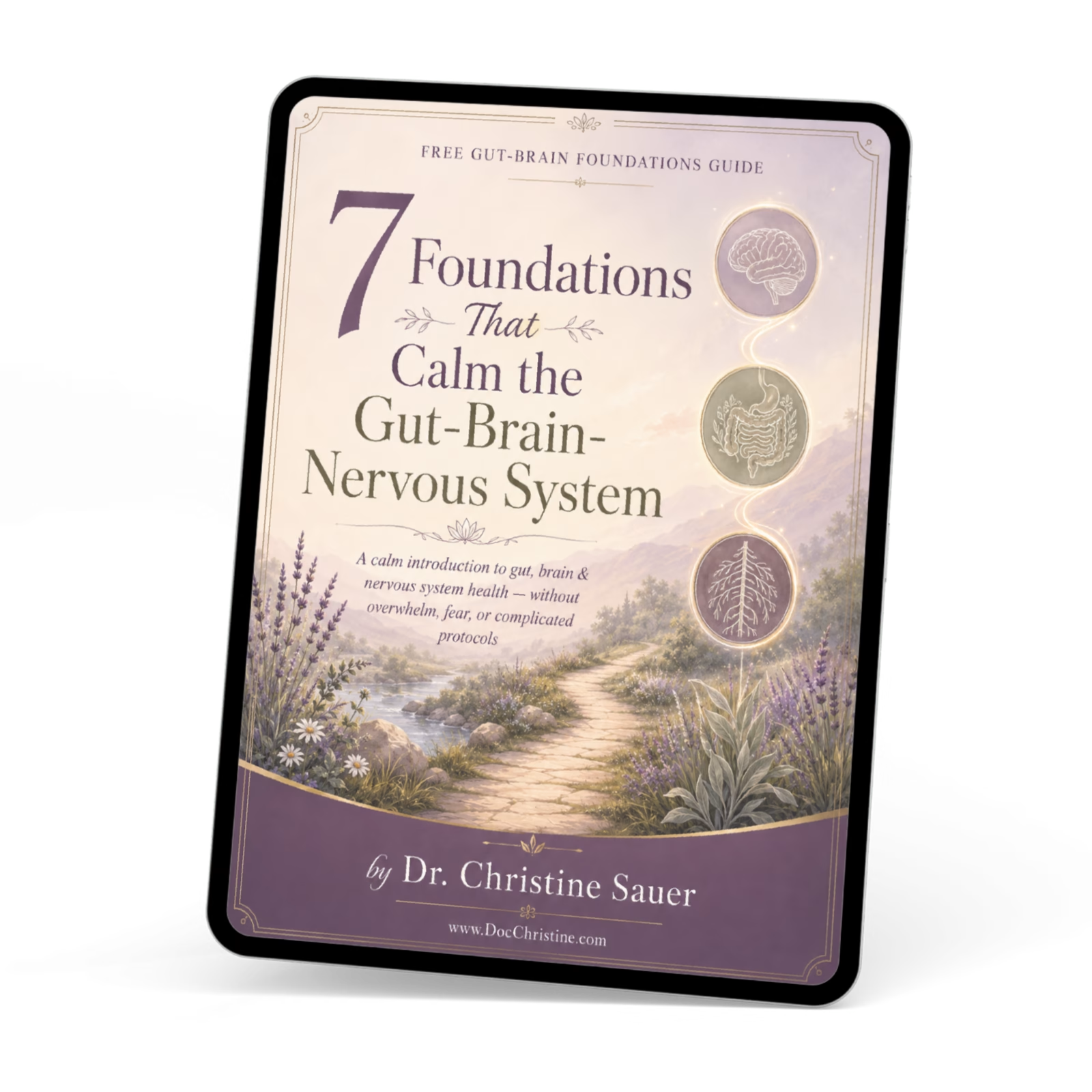
Free Guide: 7 Foundations That Calm the Gut-Brain-Nervous System
Health Advice can get confusing fast, especially when it comes to complex interactions between gut health, brain health, mental wellness and the nervous system.
One person says eliminate everything. Another says take more supplements. Someone else says it is all stress.
This free guide gives you a calmer place to begin — with simple foundations that support gut, brain, nervous system, and whole-person wellness.
free guide:
7 Foundations That Calm the Gut-Brain-Nervous System
Calm clarity instead of overwhelm.
The Myriad Health Benefits of Coffee
In summary, coffee offers a myriad of health benefits that extend far beyond its stimulating effects.
From boosting cognitive performance and supporting gut health to reducing the risk of diseases and enhancing mood, coffee can be a valuable part of a health-conscious lifestyle.
Additionally, its role in social interactions and the provision of important nutrients further solidifies its place in our daily routines.
As health enthusiasts, embracing coffee mindfully can enhance our overall well-being while allowing us to enjoy one of life’s simple pleasures.
Note: This content is for educational purposes only and does not replace personalized medical advice.
Frequently Asked Questions about Health Benefits of Coffee
For most healthy adults, moderate coffee consumption—about 3 to 4 cups per day—is generally considered safe. Individual tolerance varies based on caffeine sensitivity, health conditions, medications, and pregnancy status.
Coffee may support metabolism and fat oxidation due to its caffeine content, but the effect is usually modest. Sustainable weight management still depends on overall diet, physical activity, sleep, and lifestyle habits.
Yes. Caffeine can disrupt sleep, especially when consumed later in the day. Many people benefit from avoiding coffee in the afternoon or evening to reduce sleep disturbances.
Excessive coffee intake may lead to anxiety, jitteriness, digestive discomfort, rapid heart rate, or sleep problems. Reducing intake or switching to lower‑caffeine options may help if symptoms occur.
People with anxiety disorders, heart rhythm issues, acid reflux, or caffeine sensitivity, as well as those who are pregnant or taking certain medications, may need to limit coffee intake. A healthcare professional can provide personalized guidance.
Some research suggests coffee consumption is associated with improved alertness and cognitive performance, largely due to caffeine and antioxidant compounds, though effects vary by individual.
Decaffeinated coffee retains many antioxidants found in regular coffee but with significantly less caffeine, making it a suitable option for people sensitive to caffeine.
Want a clearer, less overwhelming way to think about brain and mental health?
Join the DRC email list for educational insights, frameworks, and evidence‑informed perspectives — no hype, no quick fixes.
Subscribers receive access to all essays in The Five Dimensions of Human Health series, including reflections that don’t appear on the public blog, as well as early drafts as the books take shape.
Join the Essays and receive them directly by email, as they’re written. This is not a newsletter in the usual sense. It’s a place to think carefully, over time, about what health, suffering, and healing actually ask of us.
You will also receive my free guide: 7 Steps to Climb the Mountain of Life

One thoughtful email most Tuesdays. Unsubscribe anytime.
Last Updated on October 7, 2026 by Dr. Christine Sauer